
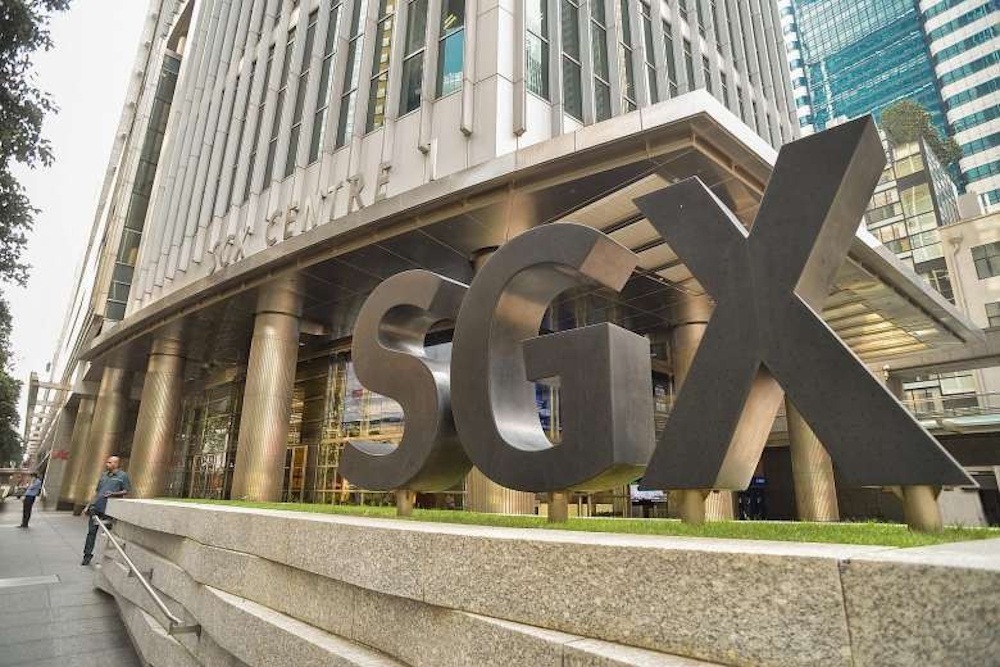
SGX Nifty March 2026 futures declined by 216.50 points, indicating a gap down opening for the Nifty 50 today.
Institutional Flows:
On 27 February 2026, provisional data revealed that foreign portfolio investors (FPIs) sold shares amounting to Rs 7,536.36 crore, whereas domestic institutional investors (DIIs) were net buyers, acquiring shares worth Rs 12,292.81 crore in the Indian equity market. In February, foreign institutional investors have divested shares amounting to Rs 11,002.35 crore in the cash market. This comes after their cash sales of Rs 41,435.22 crore in January 2026 and Rs 34,349.62 crore in December.
Global Markets:
Asian markets experienced a decline on Monday following the United States and Israel’s unprecedented attacks on Iran, resulting in the death of Supreme Leader Ayatollah Ali Khamenei. U.S. and Israeli strikes, along with Iranian retaliation, have reverberated throughout the Middle East, impacting various sectors including shipping, air travel, and oil. There are warnings of escalating energy costs and potential disruptions to business in the Gulf, a crucial waterway and global trade hub. Most Gulf equities experienced a decline on Sunday, while Boursa Kuwait suspended trading and the UAE announced the closure of its stock markets on Monday, indicating the increasing economic disruption affecting the Gulf region.
Oil futures experienced an initial surge of 8% before settling to a gain of approximately 4%. West Texas Intermediate futures were last recorded at $69.68, whereas Brent crude stood at $76.13 per barrel. Gold futures surged 2.3% as investors flocked to the global safe haven. Stock futures fell sharply in overnight trading following the weekend strikes in Iran. Futures on the Dow Jones Industrial Average fell by 517 points, representing a decline of 1%. S&P 500 futures experienced a decline of 1%, while Nasdaq 100 futures fell by slightly more than 1%.
On Friday, stocks experienced a significant sell-off following the release of the latest producer price index data, which was much higher than anticipated. This development has contributed to persistent inflation, adding to a growing list of concerns that have led to market turbulence throughout the month. The Dow Jones Industrial Average fell by 521.28 points, equivalent to a decline of 1.05%, concluding the day at 48,977.92. The S&P 500 finished the day down 0.43% at 6,878.88, whereas the Nasdaq Composite declined by 0.92%, closing at 22,668.21. The S&P 500 and Nasdaq concluded February with losses, as concerns mounted regarding the influence of artificial intelligence on certain sectors and the broader economy.
Contributing to the negative sentiment, January’s producer price index, which measures wholesale inflation, indicated a 0.5% rise for the month. Media reports indicated that the headline reading might arrive at 0.3%. The core PPI reading, excluding food and energy prices, showed a 0.8% increase, significantly surpassing the 0.3% rise that was commonly reported in the media.
Domestic Market:
Domestic equity benchmarks closed significantly lower on Friday, weighed down by ongoing foreign institutional investor outflows and rising geopolitical tensions. Investor sentiment continued to show signs of fragility, influenced by escalating tensions between Pakistan and Afghanistan, alongside ongoing uncertainty regarding US-Iran negotiations.
The Nifty fell beneath the 25,200 threshold, burdened by declines in auto and FMCG stocks. The index commenced with a lackluster performance and remained under persistent selling pressure for the majority of the session. A renewed surge of selling in the closing hours deepened the downturn, bringing the benchmark nearer to the day’s low as the closing bell rang. The S&P BSE Sensex plummeted 961.42 points, a decline of 1.17%, closing at 81,287.19. The Nifty 50 index experienced a decline of 317.90 points, reflecting a decrease of 1.25%, bringing it down to 25,178.65.